What Is the Average Renovation Cost for a Kitchen in 2026?
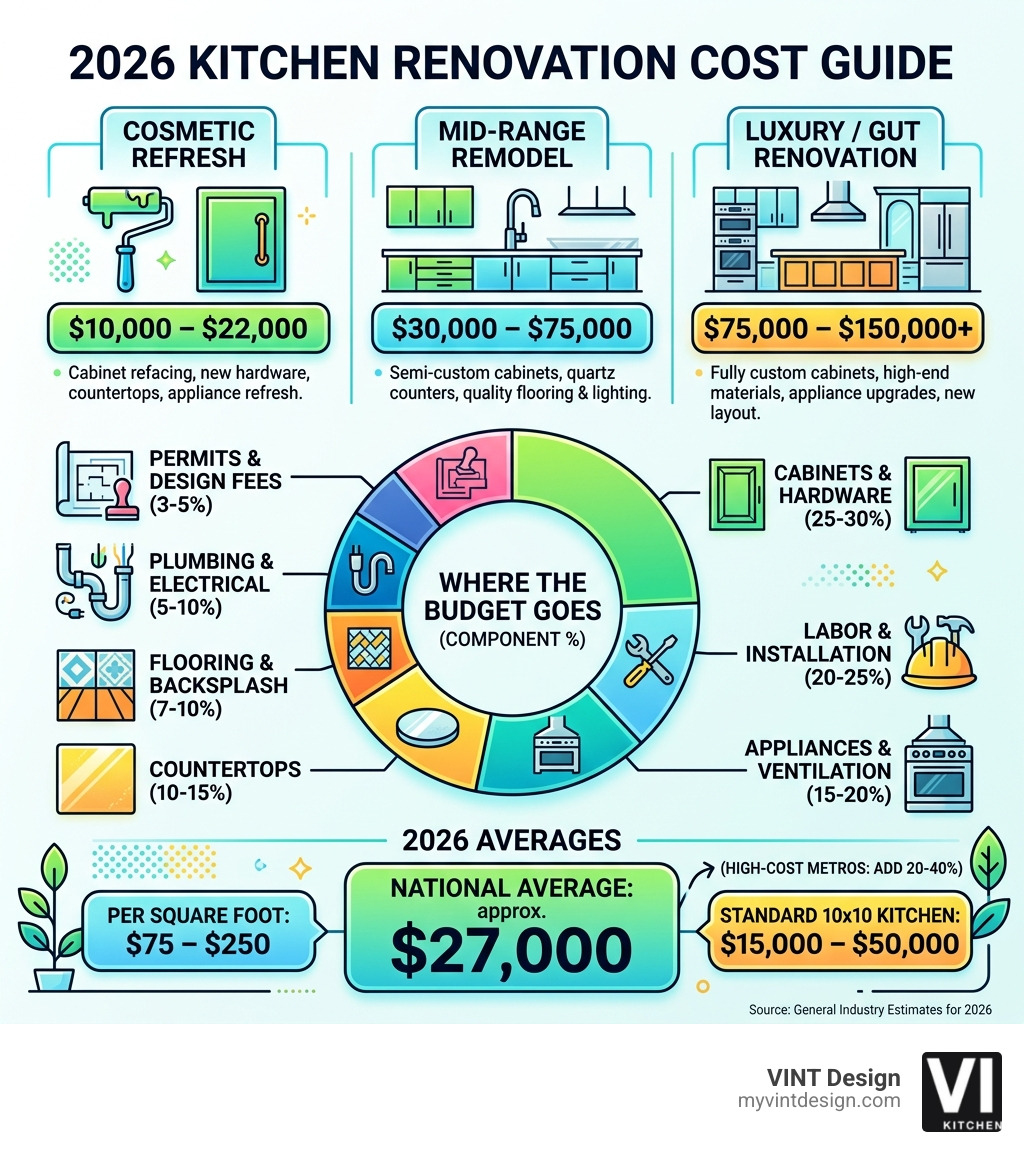
The average renovation cost for a kitchen in 2026 falls between $15,000 and $75,000 for most homeowners, with a national average of around $27,000. Here’s a quick breakdown:
| Remodel Type | Typical Cost Range |
|---|---|
| Cosmetic refresh | $10,000 – $22,000 |
| Mid-range remodel | $30,000 – $75,000 |
| Luxury / gut renovation | $75,000 – $150,000+ |
- Per square foot: $75 – $250 depending on location and materials
- Standard 10×10 kitchen: $15,000 – $50,000
- High-cost metros (e.g., NYC): Add 20–40% to national averages
Your kitchen is probably the most-used room in your home. It’s also the most expensive to renovate — and the one where it’s easiest to overspend without a clear plan.
Most homeowners start with one question: “How much is this actually going to cost me?” The honest answer is that it depends heavily on three things — scope, materials, and location.
A simple cabinet refresh is a very different project than a full gut renovation with custom cabinetry and new plumbing. And a remodel in rural New Hampshire looks nothing like one in New York City — in terms of both design expectations and price tag.
In this guide, we break down exactly where the money goes, what drives costs up (or down), and how to make smart decisions before a single cabinet door gets removed.
Understanding the Average Renovation Cost for a Kitchen in 2026
When we talk about the average renovation cost for a kitchen, we have to acknowledge that “average” is a bit of a moving target. In 2026, the economic landscape has shifted. While material costs have stabilized compared to the wild fluctuations of the early 2020s, labor costs have continued to climb, rising about 3–5% this year due to high demand for skilled trades.
Nationally, most homeowners are spending between $15,000 and $75,000. However, that wide range doesn’t tell the whole story. To understand where you fit, it’s best to look at the three primary “tiers” of remodeling:
The Budget Tier ($10,000 – $25,000)
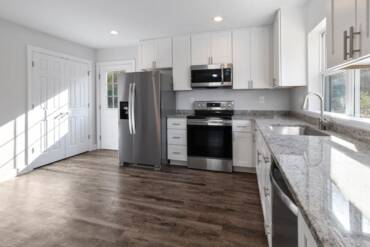
This is often called a “cosmetic refresh.” You aren’t moving walls, and you likely aren’t even moving the sink. You’re looking at painting existing cabinets, installing a new backsplash, upgrading to mid-range appliances, and perhaps swapping out laminate counters for a budget-friendly stone or butcher block. It makes the space look new without the “new kitchen” price tag.
The Mid-Range Tier ($30,000 – $75,000)
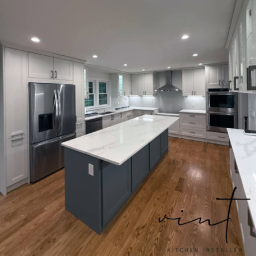
This is the “sweet spot” for many of our clients. A mid-range remodel typically involves replacing cabinets with high-quality semi-custom options, installing durable quartz countertops, and upgrading to energy-efficient stainless steel appliances. You might also replace the flooring and add better lighting. According to How Much Does a Kitchen Remodel Cost in 2025?, this tier offers some of the best returns on investment. For more details on these tiers, you can read More info about how much it is to renovate a kitchen.
The Luxury Tier ($75,000 – $150,000+)
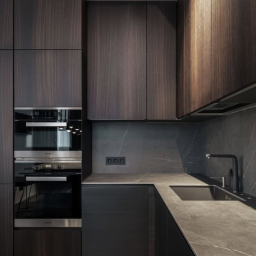
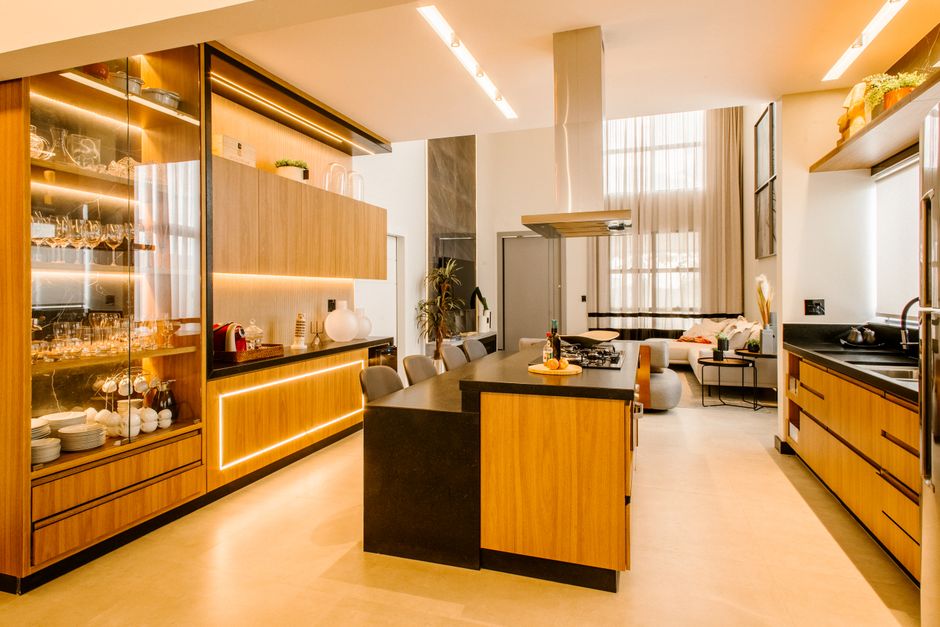
In the luxury bracket, the sky is the limit. We’re talking about full gut renovations where the floor plan is completely reimagined. This includes custom cabinetry with specialized storage, high-end professional appliances (think ranges that cost as much as a used car), and premium materials like Calacatta marble or exotic quartzites.
Average Renovation Cost for a Kitchen: The 10×10 Standard
In the industry, we often use a “10×10 kitchen” (100 square feet) as the benchmark for pricing. It’s the standard size for a medium kitchen and helps us provide a baseline.
For a 10×10 space, the average renovation cost for a kitchen typically ranges from $15,000 to $50,000. If you’re just doing a basic refresh, you might stay near the $15,000 mark. If you’re going for a full-scale remodel with high-end finishes, you’ll easily push toward $50,000. On a per-square-foot basis, expect to pay between $150 and $250.
Regional Price Variations and the NYC Premium
If you live in Manhattan or the surrounding boroughs, you already know that everything costs a little more. When it comes to renovations, the “NYC Premium” is very real. You can generally expect to pay 20% to 40% more than the national average.
Why the jump? It’s not just the materials; it’s the logistics. In NYC, contractors have to deal with:
- Strict Building Rules: Co-op and condo boards often have “alteration agreements” that dictate when work can be done and what insurance is required.
- Parking and Deliveries: Just getting a truckload of cabinets to a Manhattan apartment can cost hundreds in parking tickets and “expediting” fees.
- Permitting: NYC’s Department of Buildings (DOB) has some of the most rigorous permit requirements in the country.
While a high-end remodel in a state like New Hampshire might top out at $100,000, that same level of finish in NYC can easily reach $150,000 or more. If you’re planning a project in the city, check out More info about the average cost of a kitchen renovation in NYC for a localized breakdown.
Breaking Down the Kitchen Remodel Budget by Component
To keep your budget from spiraling, you need to know where the money actually goes. It’s easy to get distracted by a fancy $3,000 espresso machine, but that’s rarely what breaks the bank. Here is how a typical budget is distributed:
1. Cabinetry (30–40%)
Cabinets are the backbone of your kitchen. They are almost always the single largest expense. Whether you choose stock, semi-custom, or fully custom cabinets will be the biggest factor in your total average renovation cost for a kitchen. At VINT Design, we emphasize that this is the one area where you should never cut corners. High-quality cabinets don’t just look better; they last decades longer. For a deeper look at installation prices, see More info about the cost to install kitchen cabinets.
2. Labor and Installation (20–30%)
Labor is the second biggest slice of the pie. This includes the demolition of your old kitchen, the installation of new components, and the work of specialized trades like plumbers and electricians. In 2026, skilled labor remains in high demand, so expect to pay a premium for experienced pros who can navigate the complexities of NYC plumbing and electrical codes.
3. Appliances (15–20%)
A mid-range appliance package (fridge, stove, dishwasher, microwave) usually runs between $4,000 and $10,000. If you move into the luxury realm with brands like Sub-Zero or Wolf, that number can easily triple.
4. Countertops (10–15%)
The “jewelry” of the kitchen. Countertop costs vary wildly based on material. Laminate is the budget king, while natural stones and engineered quartz sit at the higher end of the spectrum.
5. Flooring, Lighting, and Everything Else (10%)
This covers the “bits and bobs”—the backsplash tile, the faucet, the cabinet hardware, and the paint. While these seem small, they can add up quickly if you have a penchant for designer brass handles or hand-painted Moroccan tiles.
Material Choices and the Average Renovation Cost for a Kitchen
Your choice of materials is the “volume knob” for your budget. You can turn it up or down based on what you prioritize.
- Cabinets: Stock cabinets can cost as little as $60–$200 per linear foot, while custom cabinetry can soar to $1,200+ per linear foot. For most NYC apartments, semi-custom is the “goldilocks” choice—offering a tailored fit without the bespoke price tag.
- Countertops: In 2026, Quartz remains the most popular choice because it’s virtually indestructible and comes in endless styles. Expect to pay $70–$130 per square foot for quartz, compared to $25–$50 for laminate or $100–$200 for premium marble.
- Flooring: Hardwood is timeless but can be pricey ($12–$20 per sq ft). Engineered wood or high-end porcelain tile often provides a better balance of cost and durability in a moisture-prone kitchen.
For a full breakdown of material costs, check out Kitchen Remodel Cost 2026: Complete Breakdown | MyCostGuide.
Cabinetry Solutions: Refacing vs. Replacement
If your current kitchen layout works well and your cabinet “boxes” (the frames) are in good structural shape, you might consider cabinet refacing.
Refacing involves keeping the existing frames but replacing the doors, drawer fronts, and hardware. You then apply a matching veneer to the frames. This can save you 40% to 60% compared to a full replacement. It’s a fantastic way to lower the average renovation cost for a kitchen while still getting a “brand new” look. However, if you want to move the stove or add a dishwasher where there wasn’t one before, a full replacement is usually necessary. You can learn more about this choice in our guide: More info about cabinet refinishing vs replacement in NYC.
Factors That Drive Renovation Costs and ROI

Why does one 100-square-foot kitchen cost $20,000 and another cost $60,000? Beyond material choices, several “invisible” factors drive the price up.
1. Layout Changes
The moment you decide to move the “golden triangle” (the sink, the stove, and the fridge), the price jumps. Moving a sink even three feet requires rerouting plumbing lines, which can cost $1,500–$3,000 in labor alone. Moving a gas line for a stove is even more complex and requires specific permits.
2. Electrical Upgrades
Older NYC apartments often have outdated electrical panels. If you’re adding a high-power induction range or a built-in microwave, you might need to upgrade your entire electrical service to handle the load. This is a common “hidden” cost that homeowners overlook.
3. Structural Work
Want to open up that wall to create an open-concept living space? If that wall is load-bearing, you’ll need a structural engineer and a steel beam. This can add $5,000 to $15,000 to your budget instantly.
Return on Investment (ROI)
The good news? A kitchen remodel is one of the best investments you can make in your home.
- Minor Remodels: Often see an ROI of 80% to 113%. Because you aren’t over-improving, you get a huge boost in “curb appeal” for a relatively low spend.
- Major Remodels: Typically recoup 60% to 80%. While you spend more, the lifestyle improvement and the increase in home value are significant.
To maximize your ROI, we recommend spending between 5% and 15% of your home’s total value on your kitchen. If your home is worth $1,000,000, a $100,000 kitchen is a sound investment. If you spend $250,000 on that same home, you may struggle to recoup that cost when you sell. For more strategic advice, see More info about kitchen renovation costs.
Money-Saving Strategies
We love a luxury look, but we also love a smart budget. Here are a few ways to keep costs down:
- Keep the Layout: As mentioned, avoiding plumbing and gas line moves is the #1 way to save.
- Refurbish What You Can: If your appliances are less than five years old, keep them! You can always upgrade them later.
- Mix and Match: Use high-end quartz for the island but a more affordable stone for the perimeter counters.
- Shop Sales: 2026 continues to see major holiday sales for appliances and cabinetry. Planning your purchase around these can save you 20% or more.
Hidden Costs and 2026 Market Trends
Always, always budget a 10% to 20% contingency fund. In renovation, surprises are the only guarantee. You might pull down a wall and find 1920s wiring that needs replacing or water damage under the sink.
In 2026, two specific trends are affecting costs:
- Induction Tax Credits: Many homeowners are switching from gas to induction cooktops. Under current green energy initiatives, you may be eligible for tax credits up to $840 for an induction appliance, which helps offset the cost of the unit.
- Tariffs: Ongoing tariffs on imported steel, aluminum, and certain wood products have kept the price of high-end appliances and custom cabinets slightly elevated.
Planning Your Timeline and Choosing Between DIY vs. Professional Labor
A kitchen renovation is a marathon, not a sprint. In 2026, here is what a realistic timeline looks like:
- Planning and Design: 4–8 weeks. This is where you pick your materials and get your permits in order.
- Lead Times: 6–14 weeks. Custom cabinets and high-end appliances don’t sit in warehouses; they are built to order.
- Construction: 6–12 weeks. This is the “dusty” phase where the actual work happens.
Total time from “I want a new kitchen” to “I’m cooking dinner” is usually 3 to 5 months.
DIY vs. Professional Labor
It’s tempting to try and save money by doing the work yourself. However, we suggest a balanced approach.
What you can DIY:
- Demolition (if you’re careful!).
- Painting the walls.
- Installing cabinet hardware.
- Tiling a simple backsplash.
What you should hire a Pro for:
- Plumbing and Gas: One mistake here can lead to a flooded apartment or a gas leak.
- Electrical: Essential for safety and code compliance.
- Cabinet Installation: If your cabinets aren’t perfectly level, your countertops will eventually crack.
- Countertop Fabrication: Stone requires specialized tools and expertise.
A General Contractor (GC) in NYC typically charges between $50 and $150 per hour, or a flat fee of 10-20% of the total project cost. While it feels like an extra expense, a good GC saves you money by preventing costly mistakes and keeping the timeline on track.
Frequently Asked Questions about Kitchen Renovation Costs
Can I remodel a kitchen for $15,000?
Yes, but you have to be disciplined. At this price point, you are looking at a “cosmetic refresh.” This means painting your existing cabinets, swapping out the faucet and hardware, installing a new tile backsplash, and perhaps buying one or two new mid-range appliances. You will likely need to do some of the labor yourself (like painting and demo) to stay under budget.
What is the most expensive part of a kitchen remodel?
Cabinetry is almost always the most expensive component, accounting for 30% to 40% of the total budget. This is followed by labor (20–30%) and appliances (15–20%). Because cabinets are both a functional necessity and a major design element, their quality and material choice have the biggest impact on the final price.
How long does a typical kitchen renovation take?
While the actual construction phase usually lasts 6 to 12 weeks, the entire process—including planning, permitting, and waiting for material deliveries—typically takes 3 to 5 months. In NYC, co-op board approvals and DOB permits can add several weeks to the front end of that timeline.
Conclusion
Renovating a kitchen is a significant undertaking, both financially and emotionally. Whether you are looking for a simple refresh or a complete luxury overhaul, understanding the average renovation cost for a kitchen is the first step toward a successful project.
At VINT Design, we believe that a great kitchen is built on a foundation of smart design and high-quality craftsmanship. We specialize in creating cabinetry that combines clean lines with timeless aesthetics, ensuring that your investment looks as good in ten years as it does on day one. By focusing on flawless finishes and functional storage, we help NYC homeowners maximize their space and their budget.
Ready to start your journey? Check out our NYC Kitchen Remodel Cost Guide for more localized insights, or reach out to our team to see how we can bring your vision to life. Your dream kitchen is closer than you think—and with the right planning, it doesn’t have to break the bank.