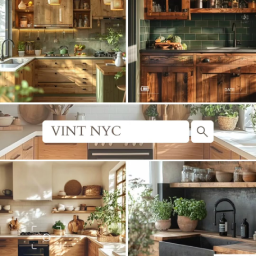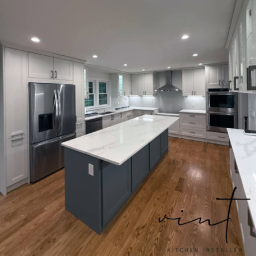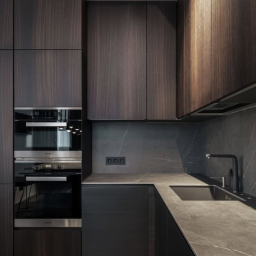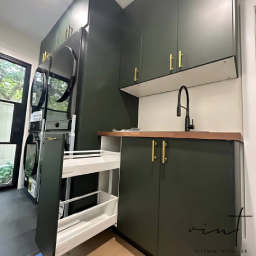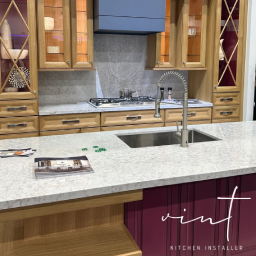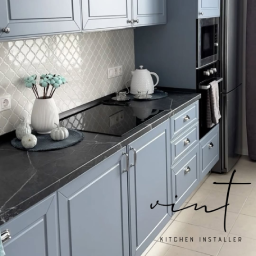
Why Solid Wood Custom Cabinets Transform Your Kitchen

Solid wood custom cabinets are a cornerstone of high-quality kitchen design, but what many homeowners don’t realize is that “solid wood” is often a misunderstood term. Here’s what you need to know before investing in your next kitchen project:
What You’re Actually Getting:
- Cabinet Doors & Drawer Fronts: Typically solid hardwood (oak, maple, cherry, walnut)
- Cabinet Boxes (Carcasses): Usually engineered wood like plywood or HDF for superior stability
- Face Frames: Often solid wood for durability and aesthetics
- Why It Matters: This combination offers better performance than 100% solid wood construction
Key Benefits:
- Durability – Properly constructed cabinets last decades with minimal maintenance
- Natural Beauty – Unique grain patterns that engineered materials cannot replicate
- Refinishing Potential – Can be restained or repainted to match changing styles
- Home Value – Real wood increases property value and appeals to buyers
- Sustainability – Renewable resource when sourced responsibly
The truth is that modern “solid wood cabinets” perform better because they strategically use engineered wood where it matters most. Cabinet boxes made from plywood or HDF resist warping and cracking far better than solid wood, while solid wood doors and drawer fronts deliver the timeless aesthetic you’re paying for.
As one industry expert notes, the debate between solid wood and engineered wood is “like arguing whether fireflies or lightning bugs are superior—they’re just two different terms for the same thing.” Today’s best custom cabinets combine both materials to maximize beauty and performance.
Whether you’re planning a complete kitchen renovation in Manhattan or updating your cabinetry in Bergen County, understanding these distinctions helps you make informed decisions about materials, budget, and long-term value.

Understanding Your Solid Wood Custom Cabinets: Materials and Construction

Let’s clear up one of the biggest misconceptions in kitchen design: when you invest in solid wood custom cabinets, you’re not getting a box made entirely from tree trunks. And that’s actually a good thing.
The smartest cabinetmakers today use solid wood where it matters most—the parts you see and touch—while building the hidden structure from materials that won’t betray you five years down the road. Think of it like a luxury car: beautiful leather on the seats, but high-tech materials under the hood where performance counts.
Defining “Solid Wood”: Cabinet Doors vs. Boxes
Here’s what “solid wood” really means in cabinet construction. The visible parts of your cabinets—the doors, drawer fronts, and face frames—are typically crafted from genuine solid hardwood. These are the components that give your kitchen its character and warmth, the surfaces that catch the light and show off those beautiful grain patterns.
But the cabinet boxes themselves? Those are usually built from engineered wood products like plywood or HDF (high-density fiberboard). Before you feel shortchanged, understand that this is exactly what you want.
Plywood is created by gluing thin layers of wood veneer together with the grain running in alternating directions. This cross-grain construction gives it remarkable strength and stability. A plywood cabinet box won’t warp when your dishwasher releases a cloud of steam or when humidity swings between winter and summer. Birch plywood, in particular, offers exceptional durability while remaining lighter than solid wood.
HDF and MDF (medium-density fiberboard) are made from wood fibers pressed together under intense pressure with resin and wax. The result is incredibly dense and uniform. HDF’s super-smooth surface makes it ideal for painted cabinet boxes, and its density means it resists moisture far better than solid wood. When temperature and humidity fluctuate in your kitchen, HDF stays put while solid wood would be expanding and contracting.
Some cabinet boxes also use melamine—a durable, moisture-resistant surface layer over particleboard. It’s easy to clean and holds up beautifully to daily use.
Why does this matter? Because solid wood, for all its beauty, has a temperamental side. It expands when it’s humid and contracts when it’s dry. In a structural component like a cabinet box, this movement can throw off door alignment, create gaps, and cause hinges to loosen over time. Engineered wood products stay dimensionally stable, keeping everything square and true for decades.
The quality of your cabinets also depends on the joinery—how the pieces connect. Look for dovetail drawer construction, where interlocking “fingers” of wood create joints that actually get stronger under stress. High-quality solid wood custom cabinets also use rabbeted and dadoed joints in the boxes, time-tested techniques that distribute weight evenly and prevent racking.
This combination of solid wood doors with engineered boxes isn’t a compromise—it’s the best of both worlds. For more details on how we design cabinets that balance beauty with longevity, check out our Custom Cabinet Design services.
Popular Wood Species and When to Use Them
Choosing your wood species is one of the most enjoyable parts of designing solid wood custom cabinets. Each type of wood has its own personality—different grain patterns, colors, hardness levels, and ways of accepting stain. Let’s walk through the most popular options.
Oak comes in two varieties. Red oak has a prominent, open grain with a warm reddish tone that works beautifully in traditional and farmhouse kitchens. Its bold grain shows through paint, so if you want that texture visible, red oak delivers. White oak has a tighter, more refined grain with a cooler, grayish-brown color. When cut as rift-sawn or quarter-sawn white oak, you get those clean, straight grain lines that look stunning in modern and transitional designs. Both types are incredibly durable and have been kitchen workhorses for generations.
Maple is the go-to choice when you want a painted finish to look absolutely flawless. Hard maple has a fine, tight grain that creates a smooth-as-glass surface. It’s also one of the hardest domestic woods, so it stands up to decades of use without showing wear. Soft maple is slightly easier to work with but still plenty durable, and it behaves similarly to cherry when it comes to finishing. If you’re planning a contemporary kitchen or want painted cabinets with zero visible grain, maple is your friend.
Cherry is beloved for its rich, reddish-brown color that deepens beautifully over time. As it’s exposed to light, cherry develops a gorgeous patina that makes ten-year-old cabinets look even better than new ones. The grain is fine and flowing, giving it an neat appearance that fits perfectly in traditional and classic kitchens. Just know that cherry will change color—it’s part of its charm.
Walnut sits at the luxury end of the spectrum. Its deep chocolate-brown color and dramatic grain patterns make it a showstopper, but the cost usually limits it to accent pieces like islands or open shelving rather than entire kitchens. When you want to make a statement, though, nothing compares to walnut.
Alder offers versatility at a friendlier price point. It’s a softer hardwood with uniform texture and a color range from pale yellow to reddish-brown. Alder takes stain exceptionally well, so it can be finished to mimic pricier woods. Rustic alder, with its natural knots and character marks, is perfect for farmhouse and country-style kitchens where you want that lived-in, authentic feel.
Hickory is the wild child of cabinet woods. It’s extremely hard and durable, but what makes it distinctive is the dramatic color variation—you might see creamy white, golden tan, and dark brown all in the same door. If you love bold, rustic character and natural variety, hickory delivers in spades. It’s ideal for lodge-style or country kitchens where you want cabinets with personality.
Each wood species brings something unique to your kitchen. The grain patterns and color variations you get with real wood simply can’t be replicated by synthetic materials. If you want to see these differences up close, take a look at these examples of wood types.
The Great Debate: Solid Wood vs. HDF for Painted Doors
Here’s where cabinet design gets interesting. If you’re planning painted solid wood custom cabinets, you have a choice to make: solid wood doors or HDF doors. Both can be painted, but they perform quite differently over time.
For stained finishes, solid wood is the only way to go. When you want to showcase that gorgeous cherry grain or the character marks in rustic alder, you need real wood. Stain is transparent, so it improves and highlights the natural patterns in the wood. A stained solid wood door develops depth and warmth that no other material can match. These doors are also incredibly durable—they can take daily wear and tear for decades, and if they ever get scratched or dinged, you can sand and refinish them.
For painted finishes, though, HDF has some compelling advantages. The material is perfectly uniform and dense, which means no grain patterns will telegraph through your paint. More importantly, HDF doesn’t expand and contract with humidity changes the way solid wood does. This stability prevents those hairline cracks that can appear along the joints of painted solid wood doors after a few years of seasonal humidity swings.
That’s not to say solid wood doors can’t be painted—they absolutely can, and they’ll be strong and long-lasting. But if you want a sleek, contemporary painted finish that stays pristine year after year, HDF offers superior stability. It’s particularly ideal for modern kitchens where you want that smooth, flawless surface without any hint of wood grain showing through.
The choice comes down to your aesthetic goals. If you love the natural beauty of wood grain, go solid wood and use stain. If you’re after a painted look that stays smooth and crack-free, HDF is the smarter choice for your doors.

Designing, Investing, and Caring for Your Cabinets

Choosing solid wood custom cabinets is just the beginning of your journey. The real excitement comes when you start exploring design possibilities, understanding what you’re investing in, and learning how to keep your cabinets looking beautiful for decades to come.
Customization Options for Solid Wood Custom Cabinets
This is where the fun begins. Custom cabinetry means your kitchen or living space can truly reflect your personality and needs. Whether you’re in Manhattan, Bergen County, Mount Laurel Township, or Boston, your cabinets should feel like they were made just for you—because they are.
Let’s start with cabinet styles. The door style sets the tone for your entire kitchen. Shaker doors remain timeless favorites with their simple flat panel and clean lines, working beautifully in everything from farmhouse to contemporary spaces. If you’re drawn to modern minimalism, slab doors offer an unadorned, sleek look. For those who love traditional elegance, raised panel doors create depth and visual interest, while recessed panel styles offer a similar classic feel with the center panel slightly set back.
The overlay you choose determines how your doors sit on the cabinet frame. Full overlay doors cover almost the entire frame, leaving just small gaps between doors for a contemporary, seamless appearance. Standard overlay leaves more of the frame visible for a traditional look. Inset doors sit flush within the frame itself, creating that high-end, furniture-quality aesthetic that never goes out of style.
When it comes to finishes, you’re working with one of wood’s greatest gifts—its ability to transform. Stains improve the natural grain patterns, available in everything from light honey tones to rich espressos. If you prefer painted cabinets, hard maple provides the smoothest surface for flawless color. Glazes add character by settling into grooves and crevices, creating an aged or antiqued effect that adds depth and warmth.
Don’t overlook the details. Edge profiles range from simple square edges to decorative ogee or beveled treatments. Hardware—the knobs, pulls, and hinges—acts as jewelry for your cabinets. Modern soft-close mechanisms ensure doors and drawers close gently and quietly, extending the life of your investment while adding a touch of luxury to everyday use.
At VINT Construction & Design, we create design themes that flow throughout your entire home, from kitchen to bath to custom built-ins. Our approach combines time-tested joinery with contemporary sensibilities. To see how we bring these details to life, explore our Finish Carpentry Services.
The Investment and Value of Solid Wood Custom Cabinets
Let’s talk about money. Yes, solid wood custom cabinets require a bigger upfront investment than picking something off the shelf. But here’s what you need to understand: this isn’t just spending—it’s investing in your home’s future.
The cost of custom cabinetry reflects several factors. Your chosen wood species matters—maple and oak typically cost less than cherry or walnut. Door style complexity, finish type, hardware quality, and design intricacy all influence the final price. But comparing custom cabinets to other options reveals why they’re worth every penny.
Stock cabinets come pre-made in standard sizes with limited styles. They’re the cheapest option, but they’re often built with particle board boxes and generic finishes. Semi-custom cabinets offer more flexibility with some size modifications and better finish selections, sitting in the middle price range. Custom cabinets give you complete freedom—unlimited design options, perfect sizing for your exact space, and superior materials throughout.
The real value shows up over time. While cheaper cabinets might need replacing in ten or fifteen years, properly built solid wood custom cabinets last for decades. They withstand daily use, resist wear and tear, and can be refinished multiple times. Got a scratch? It can be touched up. Want a different color in ten years? Sand and restain them. This longevity makes them surprisingly sustainable—you’re not sending old cabinets to landfills every decade or two.
Here’s something real estate agents will tell you: quality cabinets sell homes. When potential buyers walk into a kitchen with beautiful custom wood cabinetry, they notice. They appreciate the craftsmanship. They recognize the value. Your investment today becomes equity tomorrow.
Project costs vary widely based on scope and complexity. To understand what your specific vision might cost, check out our guide on the Cost to Install Kitchen Cabinets or reach out for a personalized quote.
Maintenance, Longevity, and Expert Installation
Your beautiful new cabinets deserve proper care. The good news? Maintaining solid wood custom cabinets is straightforward when you know what to do.
For daily cleaning, keep it simple. Use a soft, damp cloth with mild, non-abrasive cleaner. Skip the harsh chemicals and silicone-based polishes—they can damage the finish or the wood itself. When spills happen (and they will), wipe them up immediately. Use protective pads under hot dishes and heavy objects to prevent scratches or heat marks.
Here’s something many homeowners don’t realize: humidity control matters more than you might think. Wood is alive in a sense—it expands and contracts with moisture changes. Keeping your home’s humidity between 35-55% prevents warping and cracking. Good ventilation in your kitchen, especially around the stove and dishwasher, makes a real difference.
The beauty of solid wood is its refinishing potential. Minor scratches can be touched up easily. For a complete refresh, doors can be sanded and re-stained or repainted. Your cabinets can literally evolve with your changing style, offering a lifespan that synthetic materials simply can’t match.
When shopping for custom cabinets, look for signs of quality construction. Solid wood dovetail drawers signal superior craftsmanship. 3/4″ hardwood face frames provide robust structure. Rabbeted and dadoed construction creates strong, interlocking joints in cabinet boxes. Soft-close hardware with steel guides ensures smooth operation for years. Precision tolerances verified to 1/64″ accuracy guarantee perfect fits. Museum-grade finishing techniques deliver flawless surfaces, and grain-matched veneers on engineered components create seamless visual flow.
Even the finest cabinets need expert installation to perform their best. At VINT Construction & Design, we provide fast, precise installation across NYC and NJ. Our team’s expert craftsmanship and efficient project management ensure your kitchen change—from initial design through final finish carpentry—is executed flawlessly. We’re committed to delivering results that stand the test of time.
Wondering whether to refinish your existing cabinets or start fresh? Our Cabinet Refinishing vs Replacement Guide 2025 can help you decide. Ready to design the kitchen you’ve been dreaming about? Start your Custom Cabinet Design project with us today and let’s create something beautiful together.